Physical Address
304 North Cardinal St.
Dorchester Center, MA 02124
Physical Address
304 North Cardinal St.
Dorchester Center, MA 02124

Accountability Centered Maintenace
Gas Generator Maintenance Nigeria | PowerFix
Most of what’s written about generator maintenance assumes diesel. If you run a natural gas unit, half of that advice doesn’t apply, and a few new things matter that diesel owners never have to think about.
Nearly everything on this blog so far has been about diesel generators, because that’s what most Lagos facilities run. PowerFix services gas units too, though, and gas generator maintenance in Nigeria isn’t a lighter or heavier version of diesel work. It’s a different job with a different set of risks. This guide covers what changes, what drops away, and the new dependency that comes with running on a gas supply instead of a fuel tank. For the diesel baseline, start with our guide to generator maintenance in Lagos.
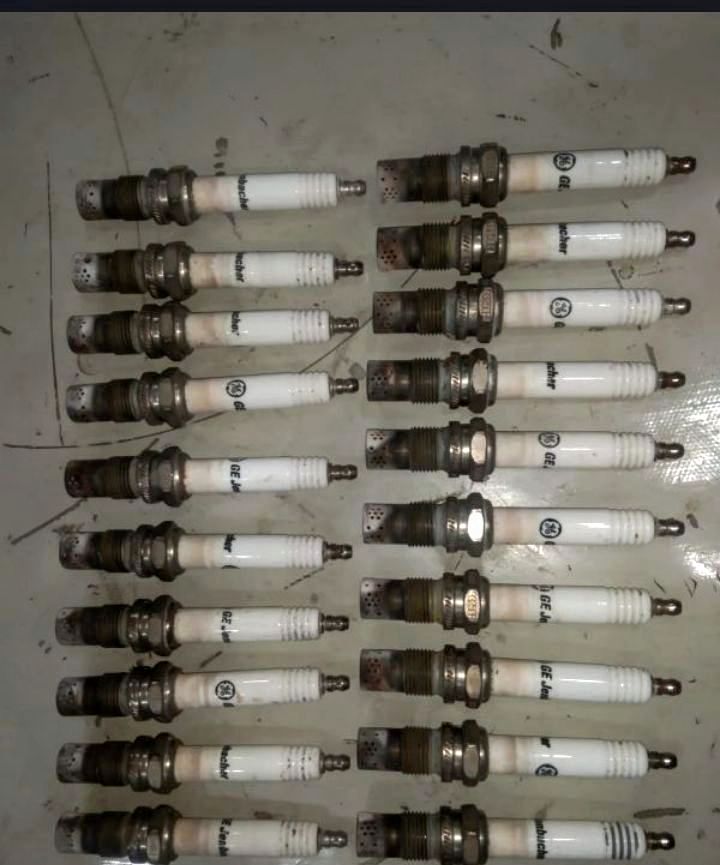
A diesel engine ignites its fuel by compressing air until it gets hot enough, so it has no spark plugs and no ignition system to look after. A natural gas engine is spark ignited, closer in principle to a petrol engine, and that single design choice drives most of the maintenance differences. Industry guidance on natural gas generator maintenance puts it simply: because the engine relies on a spark, keeping the plugs in good condition is central to reliable starting and efficient combustion.
Plugs, coils and leads wear with use. A worn plug shows up as hard starting, rough running, or a drop in output under load. Replacement intervals depend heavily on the engine. One industry source puts typical plug replacement in the range of 1,000 to 2,000 hours, but your engine manufacturer’s specification is the number that counts, not a general figure.
This is the set of components that controls how gas reaches the engine: the gas pressure regulator, shut-off valves and solenoids, and pressure switches. Faults here tend to appear as unstable load, hard starting, or unexplained shutdowns. The gas train needs periodic inspection and testing, and it’s one of the main reasons gas units aren’t maintenance free, a point buyer’s guides comparing the two fuel types make consistently.
The mixture of air and gas going into the engine affects efficiency, emissions, and how long the engine lasts. It can drift over time, which makes calibration checks a real maintenance item on gas units rather than an afterthought.
Several service schedules for gas engines list valve adjustment as part of a major service rather than every visit. Interval and procedure vary by model, so this is another item to take from the OEM manual.
Gas units skip a whole category of diesel problems. There’s no fuel tank to keep clean, no water separator to drain, and no risk of the microbial growth that follows water getting into stored diesel, the kind of contamination covered in our guide to protecting your generator during rainy season. Wet stacking, the unburnt fuel buildup we explain in our Lagos maintenance guide, is a diesel specific problem too. Engine oil also tends to stay cleaner for longer on a gas unit because natural gas burns cleaner, though it still degrades, so oil changes remain a real part of every service.
| Maintenance Area | Diesel | Natural Gas |
|---|---|---|
| Ignition | Compression ignition, no spark plugs | Spark plugs, coils and leads need periodic replacement |
| Fuel system | Tank, filters, water separator, fuel quality checks | Gas train: regulator, valves, pressure switches |
| On-site fuel storage risks | Water ingress, microbial growth, degradation over time | None, but the unit depends on supply continuity |
| Engine oil | Higher soot load, regular changes | Cleaner burn, but still degrades, follow OEM intervals |
| Light load problem | Wet stacking | Diesel-specific, not the same issue |
| Biggest outside risk | Fuel quality and delivery | Gas supply pressure and continuity |
A commonly cited baseline for both fuel types is a service every 250 hours or once a year, whichever comes first. Beyond that baseline, the published figures for gas engines are all over the place, particularly for oil changes, because the right interval depends on the engine model, the oil, the load, and how the unit is operated. The same principle we apply to diesel applies here: track actual run-hours rather than relying on the calendar. A gas generator running most of the day clocks hours as fast as a diesel one does, and a calendar-based schedule will miss it. That’s the gap the PowerFix Digital Monitor is built to close.
With diesel, you own the fuel. It sits in a tank on your site, and you decide when to refill it. With gas, your generator depends on a supply you don’t control. In Greater Lagos, private pipeline networks serve parts of the industrial area, and compressed natural gas is also delivered to sites by truck, as covered in this overview of how natural gas reaches Nigerian industry. Either way, supply continuity can’t be assumed. Gas shortages are a recognised problem across Nigeria’s energy system; Ikeja Electric has attributed grid outages in Lagos to gas supply constraints at power plants. That’s the grid side, not your own gas line, but it’s a fair reminder to ask your gas supplier direct questions about continuity.
On site, the practical points are:
Safety first. Gas train work and leak testing aren’t DIY jobs. If you smell gas near the unit, shut off the supply if it’s safe to do so, ventilate the area, keep ignition sources away, and call a qualified technician before attempting a restart.
Gas doesn’t go stale in a tank the way diesel does, which makes an idle gas generator feel like a safer bet than an idle diesel one. That can be misleading. Batteries sulphate, oil and coolant degrade, sensors corrode, rubber seals dry out, and the gas supply may need to be re-established and the regulator re-verified. A unit that has been dormant for a long stretch needs a proper pre-commissioning inspection before anyone tries to start it, ideally followed by a staged load test once the issues found have been dealt with. If you’re in that situation, our gas generator repair service in Lagos covers exactly this kind of inspection.
Neither is simply cheaper. Routine consumables on a gas unit are often lower, since there’s no fuel polishing, less fuel system work, and cleaner oil. The trade-off is that gas train and ignition diagnosis is more specialised work, and parts for some gas engines can be harder to source locally, which can make a repair slower or costlier when something does go wrong. The honest comparison is cost per operating hour over the life of the unit, not routine service cost in isolation. For the diesel side of that comparison, see our breakdown of what a 100kVA+ service visit costs.
A provider who can answer these specifically, rather than generally, is much more likely to catch a problem before it becomes a shutdown.
PowerFix services both diesel and gas generators from 15kVA and up. Whichever you run, knowing your actual run-hours and service history is the first step to a maintenance schedule that fits how the unit is really used.
Run a free PowerFix Digital Monitor check, get your generator’s health score in under 2 minutes.
Head to the PowerFix Digital Monitor tool, explore our gas generator repairs page, or see how PowerFix’s Annual Maintenance Contracts cover both fuel types.