Physical Address
304 North Cardinal St.
Dorchester Center, MA 02124
Physical Address
304 North Cardinal St.
Dorchester Center, MA 02124

Accountability Centered Maintenace
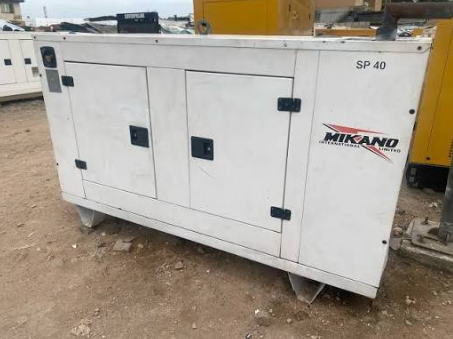
Generator Not Starting? Diagnostic Checklist | PowerFix
Before you call a technician, run through this. Half the “my generator won’t start” calls we get turn out to be a five minute fix once you know where to look.
This post covers one specific problem, a generator that won’t start at all. If your genset is running but blowing black or white smoke, that’s a different issue with its own causes, covered in the smoke diagnosis section of our guide to generator maintenance in Lagos. What follows here is for when nothing happens at all, or the engine cranks but never fires.
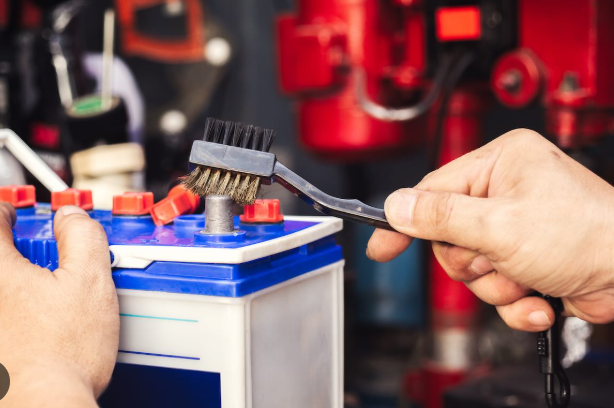
Battery and terminal issues are behind more no start calls than any other single cause.
Run through these first. They take a few minutes each and rule out the most common causes without needing any tools or technical knowledge.
If nothing happens at all when you try to start it, not even a click or an attempt to turn over, the issue is almost always electrical rather than mechanical.
The most common cause by a wide margin. A generator’s starting battery drains faster than people expect, especially on units that sit idle for stretches between uses. Corroded terminals, covered above, are often a symptom of a battery that’s already struggling. If the battery is more than two to three years old and hasn’t been tested recently, that’s the first thing worth checking.
Most control panels have a fuse or breaker protecting the starting circuit. If it’s blown, the generator won’t crank, but there’s often no other obvious symptom. Check the panel for anything visibly tripped before assuming the problem is bigger than it is.
Low oil pressure sensors, high coolant temperature sensors, and similar safety interlocks are designed to prevent starting when a genuine fault is present. If one of these has tripped, the panel usually shows a fault code or warning light. Don’t override or bypass a safety interlock without knowing exactly why it tripped first, it’s there because something else is actually wrong.
If the engine turns over but never actually starts running, the issue is almost always fuel delivery or, in cold conditions, the cold start system.
If the tank ran dry recently or fuel lines were disconnected for any reason, air can get into the system and prevent the engine from firing even with fuel present. This usually needs a technician to bleed the lines properly.
A fuel filter that’s overdue for replacement can restrict flow enough to prevent starting, even if there’s plenty of fuel in the tank. This is more common on units that haven’t had scheduled servicing in a while.
Diesel engines rely on compression to ignite fuel, and in colder conditions many use a glow plug system to preheat the combustion chamber for a reliable start. A faulty glow plug or its relay can cause exactly this symptom, cranking normally but never catching.
A note on rainy season specifically: water contamination in the fuel tank, covered in our guide to protecting your generator during rainy season, is a common cause of this exact symptom during wet months. If it starts fine in dry season and struggles specifically after heavy rain, check the fuel and water separator before anything else.
Sometimes the generator itself is running fine, but the building never actually gets power from it. This is a different problem entirely, one involving the automatic transfer switch rather than the generator itself.
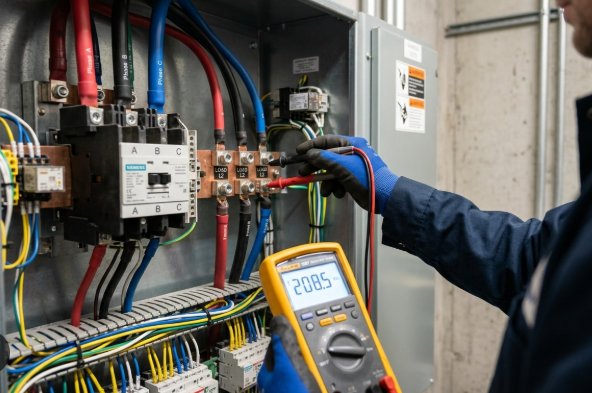
An ATS fault is a separate diagnostic path from the generator itself, and it’s easy to misdiagnose one as the other over the phone.
Stop here if: you smell fuel strongly near the unit, you see any fluid leaking, the battery shows signs of swelling or damage, or a safety interlock has tripped and you don’t know why. None of these are DIY situations, and continuing to attempt starts in these conditions risks turning a minor fault into a genuinely expensive one.
A technician can often narrow down the likely cause significantly faster over the phone if you can answer these before calling:
Having these answers ready is often the difference between a same day fix and a diagnostic visit that has to start from zero. A PowerFix generator repair Lagos callout moves faster when the groundwork above has already been covered.
A generator that’s showing early warning signs rarely fails without some notice first, if you’re tracking the right indicators. Run-hours since last service, battery condition trends, and fault history all factor into whether a no start call was actually preventable.
Run a free PowerFix Digital Monitor check, get your generator’s health score in under 2 minutes.
If you’re dealing with a no-start situation right now, skip the diagnostics and head straight to the PowerFix homepage for an emergency callout. For everything else, the PowerFix Digital Monitor tool is the fastest way to catch the next one before it happens.