Physical Address
304 North Cardinal St.
Dorchester Center, MA 02124
Physical Address
304 North Cardinal St.
Dorchester Center, MA 02124
Accountability Centered Maintenace
Used Generator Maintenance Cost Nigeria | PowerFix
The purchase price is the easy number to compare. The maintenance cost that follows for the next five years is the number that actually decides whether a used generator was a good deal.
If you already own a generator, our breakdown of what a 100kVA+ service visit actually costs covers the ongoing maintenance side. This post is for an earlier decision, whether to buy new or used in the first place, and specifically what that choice does to your maintenance costs for years after the purchase, not just the number on the invoice today.
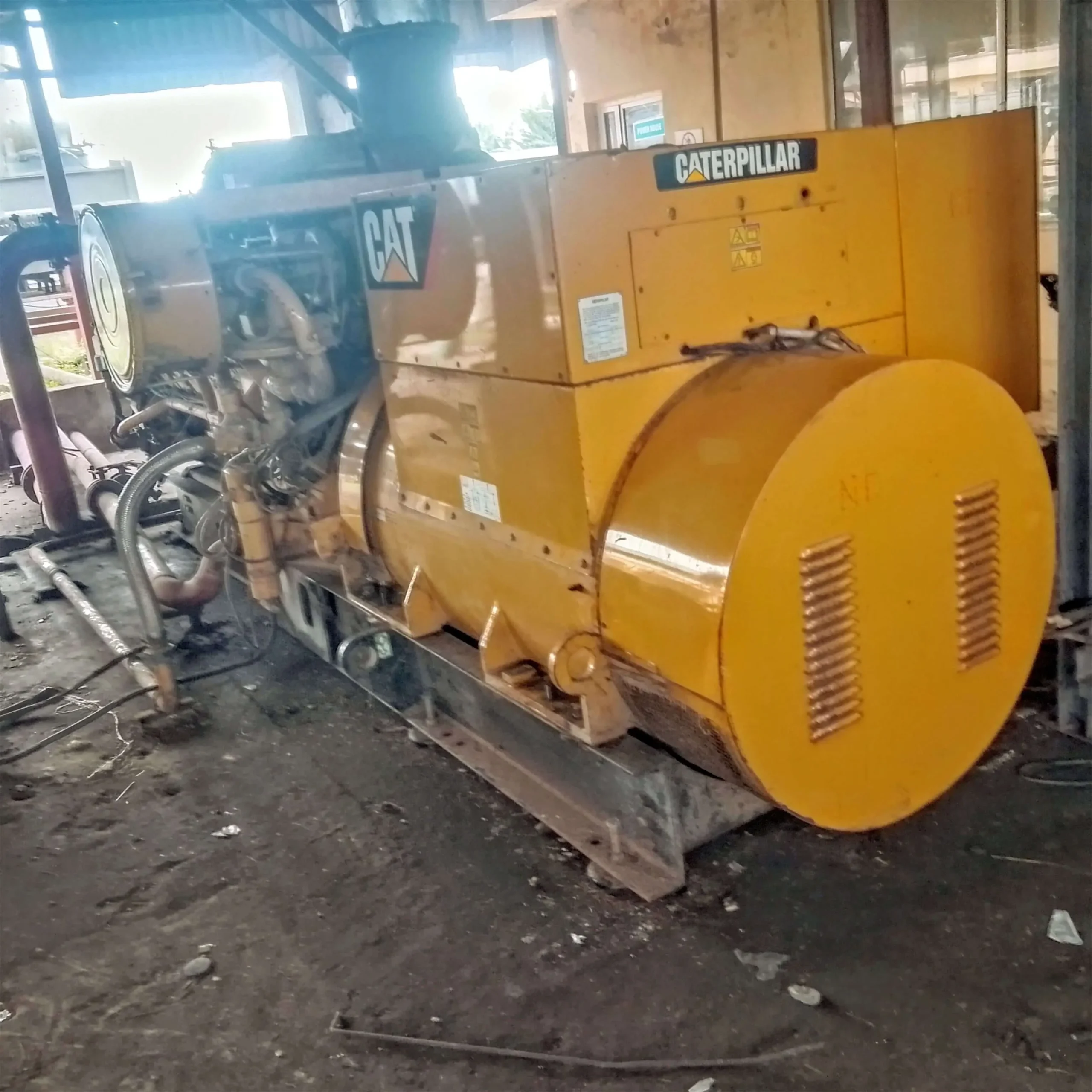
A used generator with a complete, verifiable service history and a new generator aren’t as far apart in risk as people assume. A used generator with no service records at all, regardless of how clean it looks, is a genuinely different category of purchase. The condition you can see, paint, rust, a tidy control panel, tells you far less than the condition you can’t see without records or an inspection, internal wear, deferred maintenance, and how the unit was actually operated.
Run-hours matter more for a used purchase than almost any other single data point, the same theme that runs through everything else on this blog. A generator with 3,000 logged hours and full service records tells a buyer far more than one with an hour meter reading nobody can verify. If the seller can’t produce service records tied to specific run-hour milestones, treat the hour meter reading itself with some skepticism, meters can fail, get replaced, or simply not reflect the unit’s full operating history if it changed hands before.
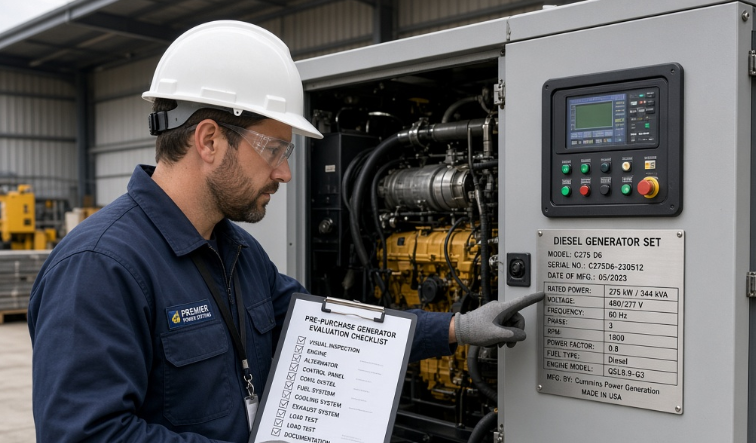
A proper pre-purchase inspection goes well beyond a visual walkaround. Industry guidance on inspecting a generator before you buy starts with the data plate itself, confirming voltage, phase, and capacity actually match your facility’s requirements, before moving into engine and electrical inspection. At minimum, a used generator purchase should include:
A generator that starts and idles smoothly is not the same as a generator that’s been verified under load. This is the single most common gap in a rushed used generator purchase, and it’s exactly the kind of thing a pre-purchase inspection is built to catch before money changes hands, not after.
Major manufacturers typically maintain parts inventory for 15 to 20 years after a model stops being produced, but a used unit from a less common brand can turn a routine repair into a long wait for a part that has to be sourced specially. Before buying, it’s worth confirming with a local service provider whether the specific model has good parts availability in Lagos, not just whether the brand name is generally recognizable. For common brands, our own Caterpillar generator help guide and Cummins generator help guide cover model-specific troubleshooting and parts considerations worth reviewing before you buy.
A used generator that’s been sitting or under-maintained often needs a round of catch-up work immediately after purchase, oil and filter changes, coolant flush, and sometimes more, before it’s genuinely ready for reliable service. This cost belongs in the purchase decision, not treated as a surprise afterward.
New units typically come with a manufacturer warranty covering a defined period or run-hour limit. A used unit may have little or none of that coverage remaining, which shifts more of the early-ownership risk onto the buyer. Some used equipment dealers offer their own limited warranty, worth asking about directly rather than assuming none exists.
Worth considering before either purchase decision: if the need is short term or the load requirement is still uncertain, buying isn’t the only option. A generator rental avoids the new vs used decision entirely for situations where ownership doesn’t actually make sense yet.
Buying used isn’t automatically the riskier or cheaper option; it genuinely depends on the specific unit, its documented history, and what a proper inspection turns up. That’s the actual comparison worth making, not a blanket rule either direction.
A PowerFix generator repair Lagos pre-purchase inspection can cover all of this before you commit to a used unit, giving you an independent assessment rather than relying on the seller’s word for what condition the generator is actually in.
Already own the unit and want to know where it actually stands? Run-hours, condition flags, and whether a deferred maintenance backlog is quietly building, the same questions that matter before a purchase matter just as much afterward.
Run a free PowerFix Digital Monitor check and get your generator’s health score in under 2 minutes.
Head to the PowerFix Digital Monitor tool directly, or explore PowerFix’s Annual Maintenance Contracts to keep a new or newly purchased used unit on a documented service schedule from day one.